Skip to content

Prevent No-Shows with 1 Simple Strategy

There are few things that induce anxiety in a dentist or practice owner more than seeing a hole in the schedule. Whether it’s from a no-show or a cancellation, that hole is a loss of income, an underutilization of resources, and a missed opportunity for a patient who really wants to get in. Like Kirk says, “a

The Fine Line Between Micromanaging and Being Too Hands-Off

One of the most challenging aspects of dental practice leadership is determining the right level of involvement when you’ve delegated a task or priority to your team. It’s a delicate balance that can shift depending on the situation and the team members involved. Both micromanaging and being too hands-off can be detrimental, but finding the ideal middle ground is often more difficult than it seems. In this article, I’ll share some insights into both extremes and offer some red flags to help you assess if you’re leaning too far in either direction. First and foremost, leadership is hard. Human nature complicates it further—none of us wake up intending to be overbearing micromanagers or overly relaxed, unclear delegators. Despite our best intentions and knowledge of leadership principles, our desire to be effective, respected, and yes, even liked, can lead us to act in ways we never intended.

Transforming Your Dental Practice With Front Desk

Let’s talk about the heartbeat of your practice: your administrative team. These amazing individuals are the first and often last impression patients have of your practice. They handle a whirlwind of tasks, from scheduling appointments to managing billing. Yet, how often do we treat them like… well, furniture? “Let me walk you up to the front desk.” “You can schedule your follow-up with the front desk.” “The front desk can give you more information.”

Stop Kicking, Start Crushing Problems

Ever feel like your to-do list is a game of kick the can? We've all been there. Between appointments, staff management, and the never-ending stream of details, it's easy to let minor issues linger.

Conquer Your Insurance Frustrations with These 3 Tips

Insurance can be a source of incredible frustration, so having a strategy around managing it will help to relieve those frustrations. It’s important to note that this is going to require your whole team’s effort, which means you’re going to need one crucial component: alignment. Regardless of your relationship with

Revolutionize Dental Patient Diagnosis: Peel Layers

Sometimes, patients come in with concerns that go deeper than a stubborn bit of popcorn. They might grumble about a specific treatment, express hesitation about a procedure, or simply seem withdrawn. But before you jump to conclusions about what’s bothering them, consider that the problem might lie deeper.

The 90 Day Pause

As I write, our entire ACT team is traveling here to Milwaukee for our quarterly planning meeting. Our strategic rhythm parallels the process we coach our clients through and there is a very specific reason for this rhythm. What is the 90 Day Pause? Neuroscience has indicated that businesses, and the humans that run them, get sidetracked and need to pause about every 90 days. This is intentional and very important. Without the pause, evidence shows we move farther and farther from our intended business goals. Why? Because life happens and over time it becomes more challenging to see the bigger picture while one is working day to day in the business.

Q-tip Trick To A Better Dental Practice

There are times when running a dental practice can feel like navigating a minefield of feedback. A patient mentions a long wait time. A colleague suggests a new approach to a procedure. Sometimes it feels like everyone's a critic! Before you put up your defenses, take a deep breath and remember to quit taking it personally (QTIP).

3 Strategies to Maximize Your Efficiency with a Checklist

Building a great practice requires the use of systems in order to create efficiency in your day-to-day operations, but many leaders struggle with their implementation. However, it doesn’t have to be a complicated process, because there’s one simple system you can start using immediately: the

Three Habits to Help You Go Out of Network

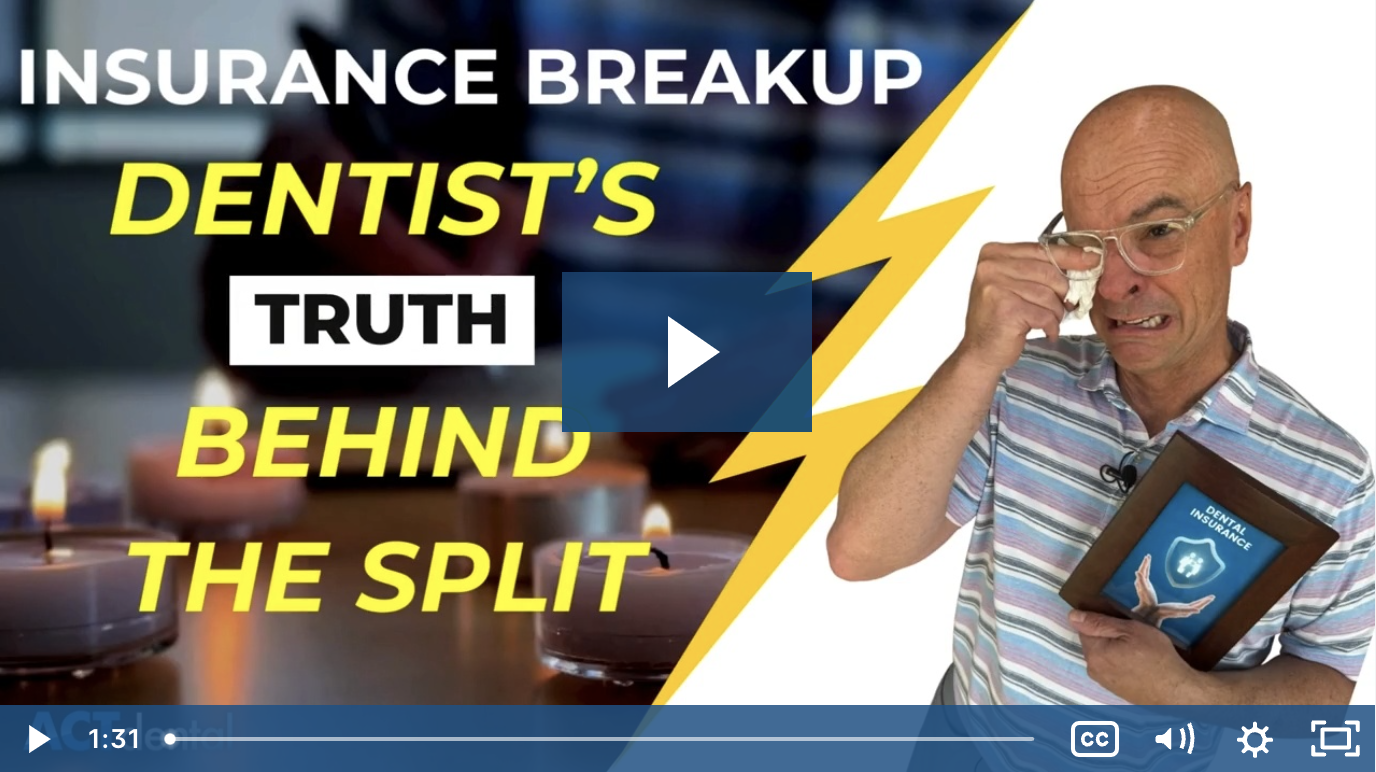
Working toward being 100% Out of Network? There are some habits you should adopt now. All too often we see dentists work toward going OON using the same habits and behaviors they developed while practicing as a contracted PPO provider. This doesn’t normally work very well. Why? Fee for service dental patients have no financial incentive to be your patient. They represent a true consumer and will demand a higher level of service and attention. If you are on the path to insurance independence or wanting to start this journey, work to develop the following habits before dropping your PPOs.

17 18 19 20 21